Long before modern dive computers, a reliable timepiece was essential to track underwater time and avoid fatal miscalculations. Today, the dive watch stands as one of the most iconic and respected styles in all of watchmaking.
This page explores where dive watches came from, how they’ve evolved, and why they continue to matter.
Early Origins (Pre-1950s)
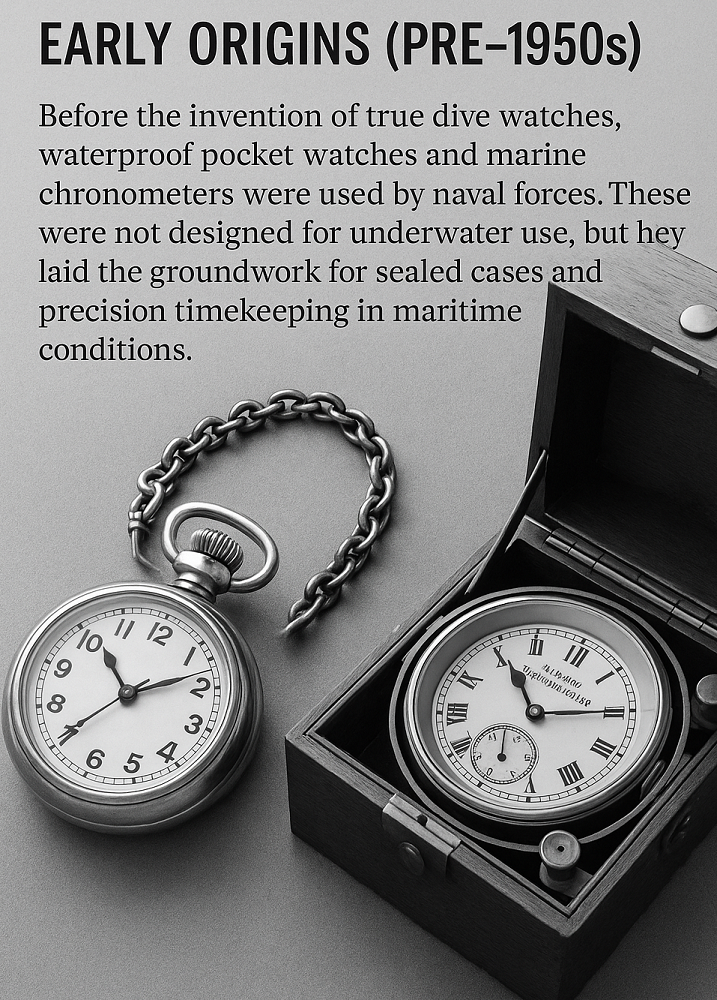
Before the invention of true dive watches, waterproof pocket watches and marine chronometers were used by naval forces. These were not designed for underwater use, but they laid the groundwork for sealed cases and precision timekeeping in maritime conditions.
The 1926 Rolex Oyster was one of the first wristwatches marketed as waterproof, with a sealed case that protected the movement from water and dust. It was famously worn by swimmer Mercedes Gleitze during her English Channel attempt, marking a key moment in the development of water-resistant wristwatches.
The First Purpose-Built Dive Watches (1950s)
The modern dive watch truly began in the early 1950s. Three watches in particular established the blueprint for the category:
- Blancpain Fifty Fathoms (1953)
Designed with input from French Navy combat divers, it introduced the unidirectional rotating bezel and high-contrast dial. - Rolex Submariner (1953–1954)
Built to handle depths of 100+ meters, the Submariner introduced Rolex’s design language and rugged construction to civilian and professional divers alike. - Zodiac Sea Wolf (1953)
One of the first affordable dive watches, offering recreational divers and military personnel a reliable alternative to more expensive models.
Standardization and Military Use (1960s–1970s)
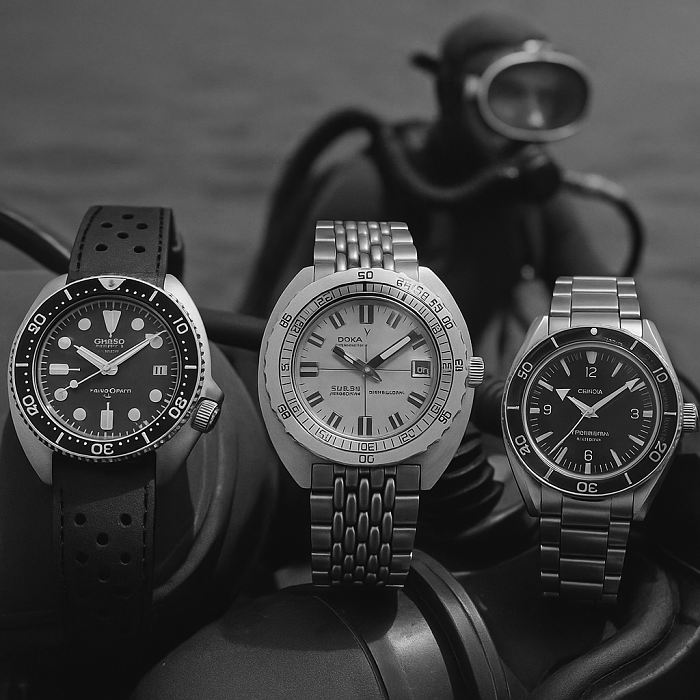
By the 1960s, dive watches became tools of choice for divers, special forces, and underwater engineers. Brands like Seiko, Doxa, and Omega entered the scene with robust, purpose-driven designs.
- Seiko 62MAS (1965) was Japan’s first professional dive watch, known for ruggedness and affordability.
- Omega Seamaster 300 was used by British Royal Navy divers.
- Doxa Sub introduced the bright orange dial and no-decompression bezel scale—tools for readability and function under water.
Professional saturation divers required watches that could withstand helium buildup. This led to the invention of helium escape valves, featured in models like the Rolex Sea-Dweller (1967).
Quartz Era and Commercial Growth (1980s–1990s)
The rise of quartz technology allowed dive watches to become more accessible to the public. Brands like Casio and Citizen offered digital dive models and analog-digital hybrids at affordable prices. Many of these watches were ISO-rated, offering real-world underwater performance at a fraction of the mechanical cost.
Dive watches also began crossing over into civilian fashion and EDC use, appreciated for their rugged build and clean dial layouts.
Dive Watches Today
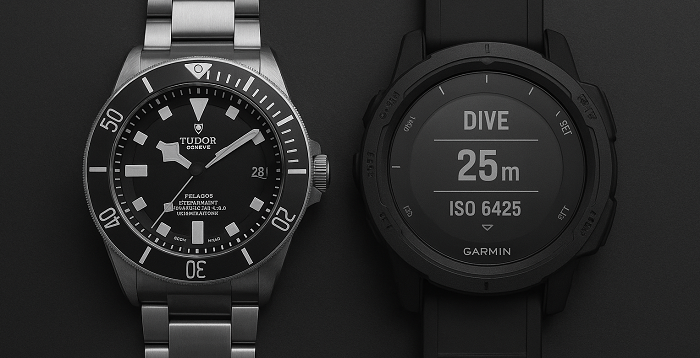
Modern dive watches continue to evolve with both mechanical and electronic advancements. ISO 6425 remains the international standard for true dive certification, requiring:
- Minimum 100m water resistance
- Unidirectional bezel
- Luminous markers
- Shock, chemical, and magnetic resistance
While most buyers today don’t dive with their watches, the design principles remain: function-first, legible, durable, and built to survive.
From affordable quartz beaters to high-end mechanical tools, dive watches remain one of the most popular categories in the world.
Why Dive Watches Still Matter
- Reliability – Built to handle extreme conditions
- Versatility – Easily worn in casual, work, or outdoor settings
- Legacy – Designs rooted in real missions, not marketing
- Clarity – Easy-to-read dials and purposeful controls